Our services are used by 700+ companies
We have installed over 9,000 devices
Special solutions based on the clients’ needs
Fuel theft is a frequent problem for construction sites and companies operating heavy machinery. These incidents usually occur at night, making it difficult to detect and respond quickly.
As theft cases have increased, the need for more advanced, accurate, and real-time solutions has grown. One effective approach is combining smart technology with the extended capabilities of a security partner’s patrol services.
According to Rasmus Peterson, Head of Control Center at Forus, fuel theft alarms are received from various guarded sites quite frequently.
Although more and more companies equip their machinery with special sensors to detect fuel theft, businesses still suffer significant losses. The risk is especially high at sites with many machines, weak security measures, or no immediate response to theft attempts. Unfortunately, due to the challenging economic climate, theft by a company’s own employees has also become more common.

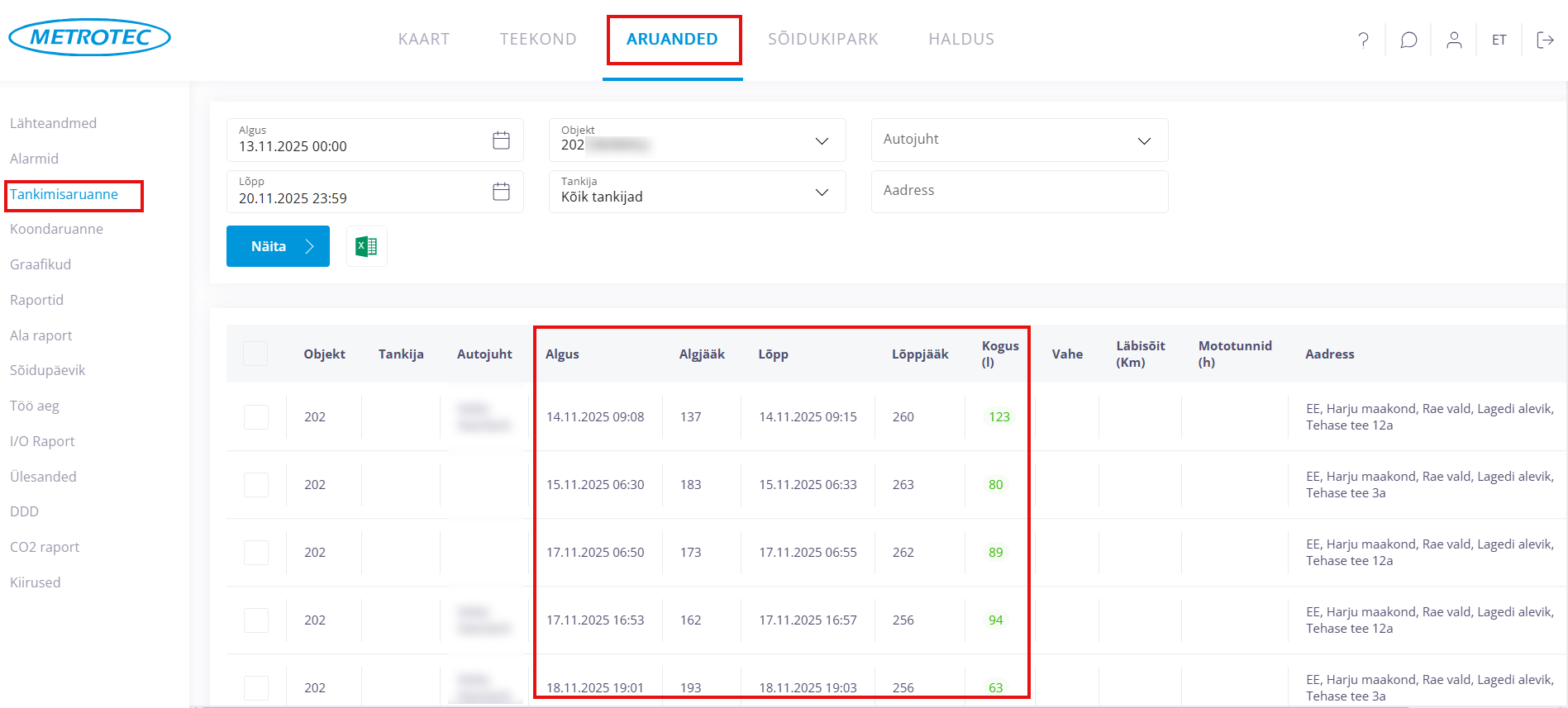
Technology company Metrotec has, for years, installed GPS tracking devices and fuel level sensors on heavy trucks, excavators, lorries, and other construction machinery. These sensors immediately alert the owner or company if there is a sudden drop in fuel level.
Previously, Metrotec’s fuel alarm worked silently — notifications were sent only by SMS or email, without any on-site signal. Now, a local hardware siren has been introduced. If a theft attempt occurs, the alarm sounds on-site, acting as a strong deterrent.
Because fuel theft is one of the most common and costly types of theft, the next step was to involve a security partner capable of responding immediately — even at night — when a sensor alarm is triggered.
Metrotec serves nearly a thousand clients. Sales Manager Kaupo Kõrm explains that customer needs vary: some prefer solutions that deter thieves, while others want offenders to be caught as quickly as possible.
“When thieves target a truck at a construction site, they often steal fuel. In the case of heavy machinery, there are also incidents where batteries are stolen, and cabins are broken into,” he says.
This is where a security partner’s patrol team becomes essential — ready to respond 24/7 across different regions. In addition to stopping the theft, security personnel can assess whether the damage is limited to fuel theft or if the incident at a construction site or quarry is more extensive.
Police are always called in case of theft, but investigations can be time-consuming and do not always result in compensation or catching the offender.
When an alarm is triggered, the security guard receives the machine’s coordinates and fuel-level data before heading to the site. Response time depends on the location of the nearest patrol unit. Forus patrols operate across Estonia.

“Like shoplifting, fuel theft takes only a few minutes. There’s a huge difference between letting a thief steal fuel from multiple vehicles overnight and stopping them quickly. Rapid response prevents larger losses and sends a clear message that someone is actually reacting,” says Peterson.
He recommends layered protection whenever possible. In addition to patrol response, some Forus clients have installed video surveillance on-site. For example, excavators at various quarries are monitored by cameras. These machines can hold hundreds of liters of fuel.
“If a suspicious person appears in camera view, we receive an alert immediately and can respond. That significantly reduces the time available for criminal activity. If you catch the thief along with the stolen fuel, there’s a real chance to recover it,” Peterson explains.
According to him, patrol response to fuel-level drops clearly prevents major losses, but combining it with video surveillance provides even stronger protection.
For existing Metrotec clients who want to add patrol response services, the process is simple: sign a contract with Forus and complete a few technical configurations. For new clients, the required devices must first be installed in the machinery fleet.
Kaupo Kõrm highlights Metrotec’s customer-focused approach, strong technical support, and ability to go beyond standard solutions.
On one hand, clients receive traditional GPS tracking with fuel monitoring — full visibility of where machines are located, where refueling takes place, how much fuel is added, and consumption levels.
On the other hand, many clients use a broader solution that combines tracking with digital task management, e-delivery notes, workflow monitoring, fuel station oversight, working time tracking, and more.
“To find the best solution, good cooperation alone is not enough. You need to understand the client’s daily processes and build a system that genuinely improves their everyday work,” Kõrm explains.
The cooperation between Forus and Metrotec shows that reducing fuel theft requires more than technology alone. It requires a well-designed combination of real-time data, rapid response, and a customer-focused approach.
When companies also invest in protecting their own assets, they can significantly reduce losses, maintain better control over their machinery fleet, and lower overall risks.
If you would like to reduce fuel theft in your business, get in touch using the contact form below.
Rudus’ story began when concrete mixers started piling up at construction sites. The sites required many truckloads of concrete, but the customer was unable to receive the delivered concrete.
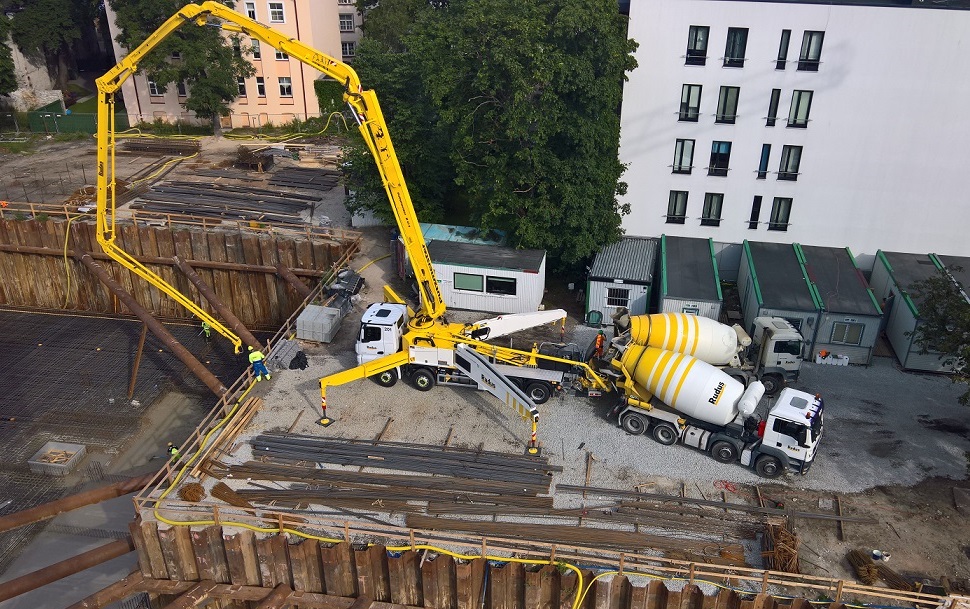
The plant operates on a fixed schedule, dispatching a new truck to the site every 10–15 minutes. Mixers can quickly congest construction sites, creating a risk of concrete spoilage and potential penalties. Project schedules may also be disrupted.
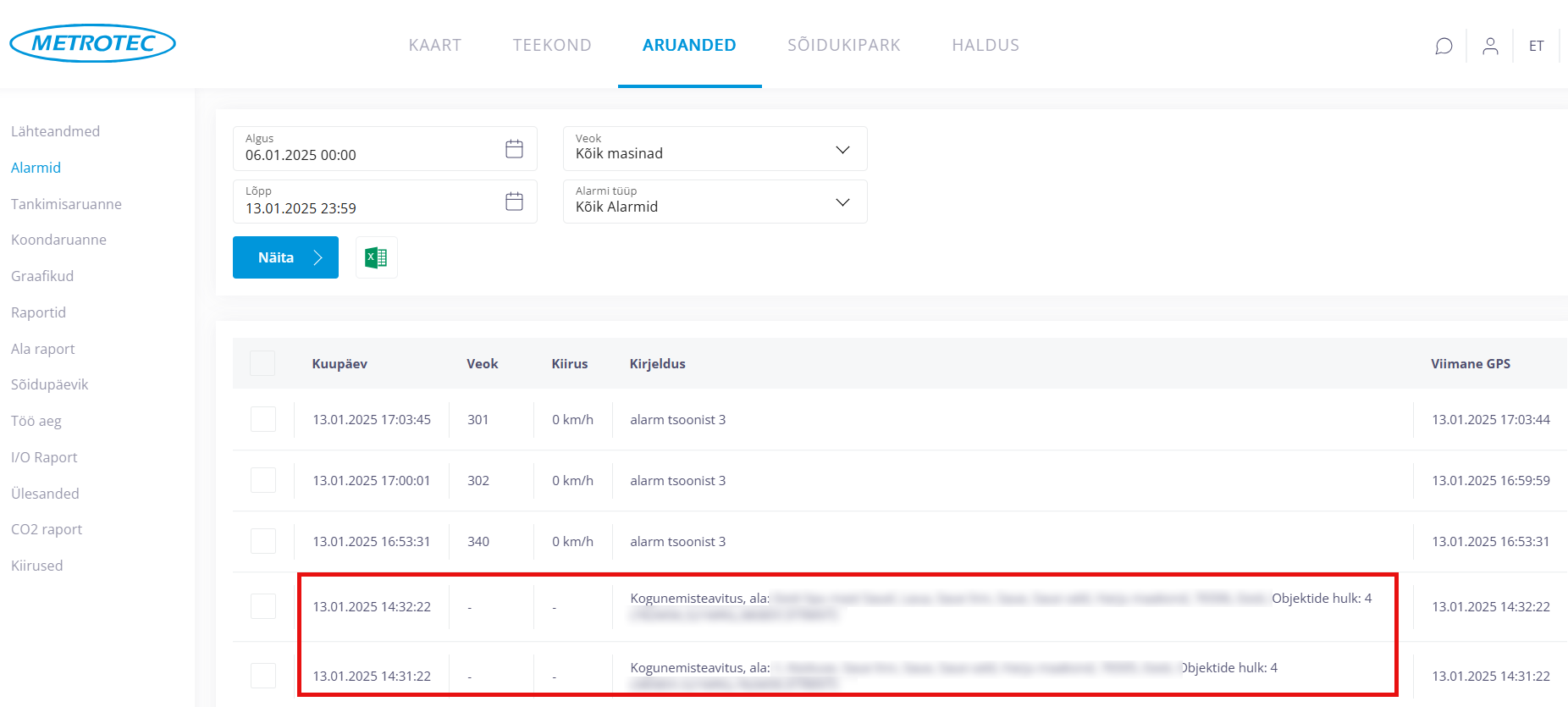
This raised the question of how GPS tracking could be used to manage the situation more effectively. Counting vehicles within a defined area and sending an alert when their number exceeds a critical limit is technically simple. The real challenge was ensuring that these areas are created and removed automatically, without user intervention.
The solution was to integrate the client’s order management system with Metrotec. When a load is created, a delivery location is automatically generated in Metrotec along with relevant additional information, and the location is placed under monitoring. If more vehicles than allowed gather at the destination, an alarm is triggered. The delivery schedule can then be adjusted, and the concrete distribution can be reorganized smoothly.
Once all orders have been delivered, the delivery location is automatically removed. The entire process runs seamlessly and is fully automated.
In the image below, the red indicator shows when an alarm is triggered, and the logistics manager receives a notification if the number of vehicles in the area exceeds the predefined limit.
The concrete order management system is a central and highly important tool at Rudus. It is used daily by everyone – production, logistics, drivers, and administration. The system tracks the entire order process, from planning to invoicing.
Each day, at least 200 loads pass through the system. This means managing 200 deliveries of varying distances, unloading operations, concrete additives, and delivery documents.
“Metrotec connects orders, drivers, accounting, and customers into one seamless system – completely paperless.”
The paper disappeared. Simply scanning delivery notes and storing stacks of files was cumbersome.
The Standard Books business software was integrated with Metrotec. With a single click, a delivery note – or a batch of notes – is added directly to the invoice.
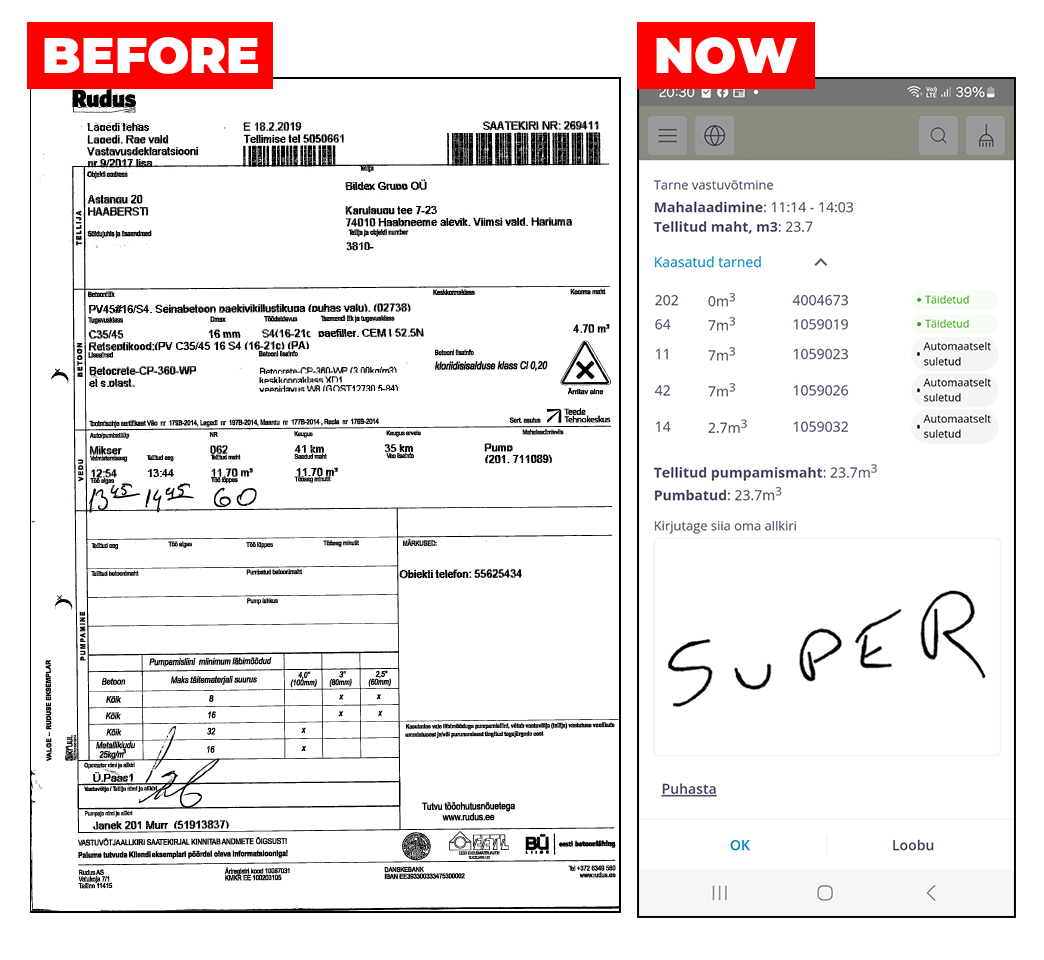
Handing over and receiving delivered goods and services became smooth. Delivery notes no longer got lost and reached the customer without delay.
Large deliveries became customer-friendly. A stack of papers, each needing a signature, was replaced by a single confirmation.
Arrivals and unloading times were automatically recorded. There was no longer a need to note these manually and enter them into the system later, improving accuracy and quality.
Automatic alerts were generated for vehicle congestion at sites, allowing logistics teams to respond quickly and reorganize deliveries more efficiently.
Notes from concrete drivers on additives and other details were systematically collected, providing a convenient way to track and invoice accurately.
In summary, there was a significant increase in quality.
Each truck is equipped with a tablet, and every driver has a personal Metrotec user account. At the start of the workday, the driver logs into a specific vehicle and begins receiving delivery notes.
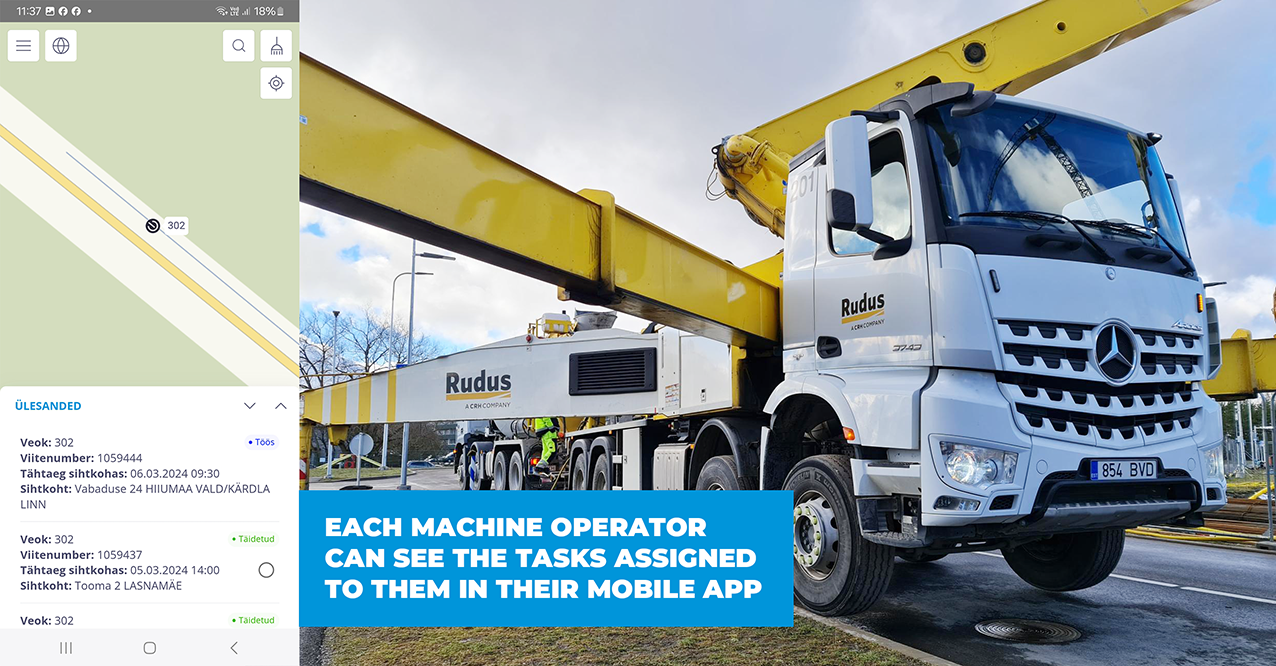
For every load, the order management system contains precise details: destination, delivery time, customer information, concrete specifications, and unloading instructions.
When the load is ready at the plant, the delivery information is automatically sent to the assigned truck’s tablet.
The driver receives a clear work order with all the necessary details for arrival and unloading. The navigation system guides the driver accurately and efficiently to the destination.
Logistics managers have full visibility of the entire process – which vehicle is handling which delivery, and the real-time status of each order.
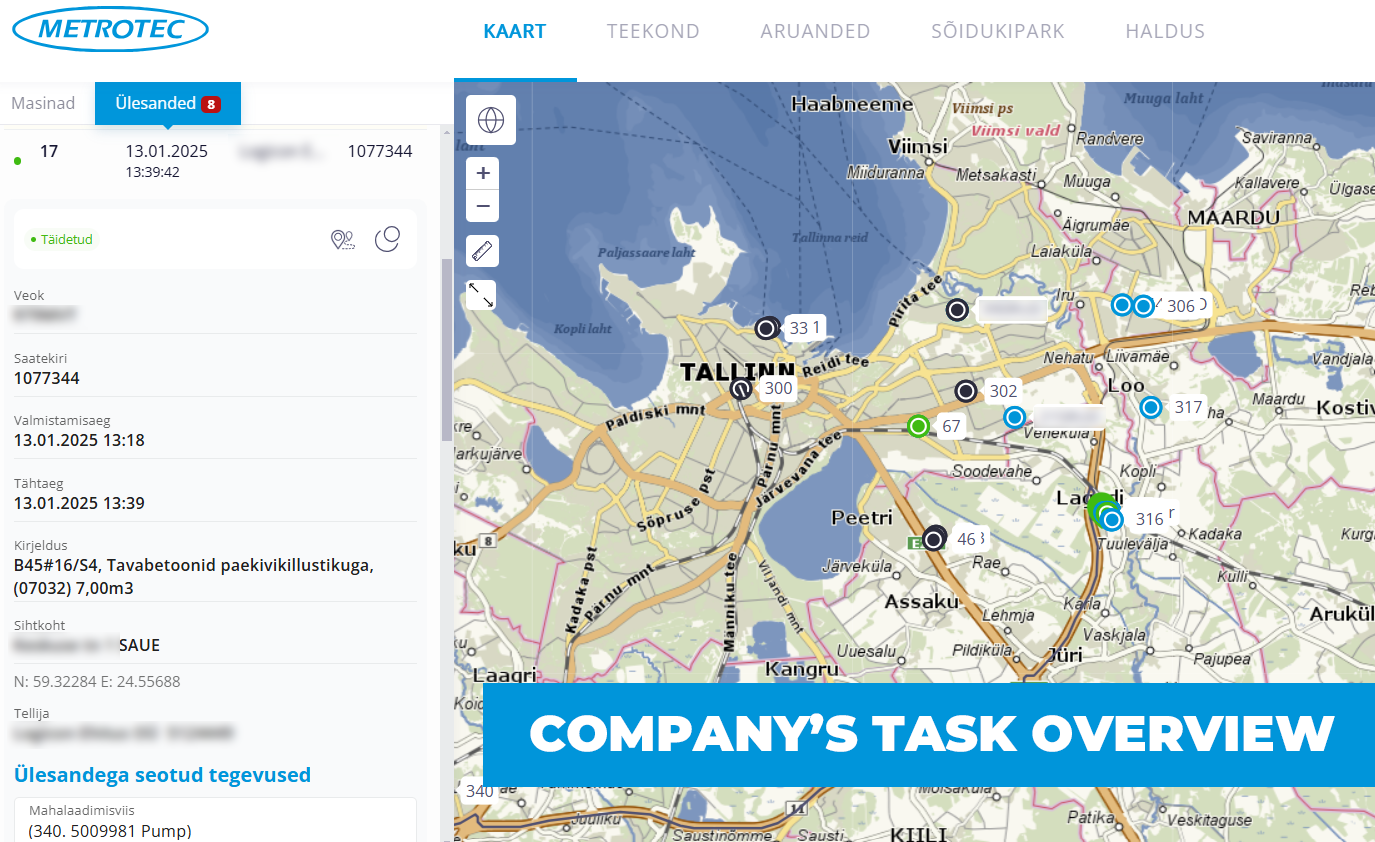
Metrotec records the arrival time, calculates the distance driven, measures the unloading time, and adds this data to the delivery note.
Once the delivery is completed, the driver collects the customer’s signature. Metrotec then compiles the delivery notes into a file and sends them to the customer.
You can also read the interview with Rudus Production and Technical Manager Kaido Kivistik, who explains how implementing Metrotec has saved them €4,000 on paper costs alone.
Beyond standard location and fuel monitoring, it’s increasingly important to track the efficiency of different machines. Analyzing this data allows you to optimize production or transport processes, making them more transparent and higher quality in the eyes of your company, employees, and clients.
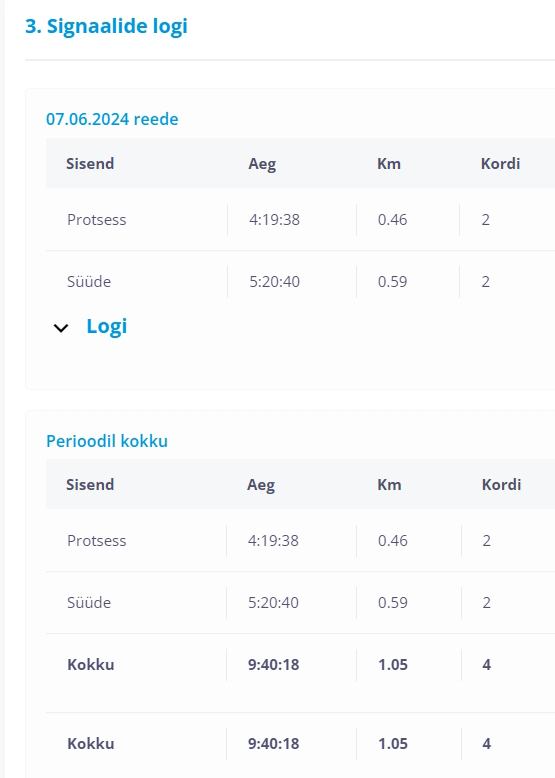
For different types of machines, “processes” can mean different activities—crushers crushing, garbage trucks emptying bins, or dump trucks tipping loads. Reports and visual maps of these activities provide an accurate overview of the duration, location, and frequency of tasks (for example, how many times a dump truck tipped its load).
An electric signal from the machine is connected to the GPS device, which interprets it as a “process.” For example:
When the signal is triggered, the GPS device sends the information to the server, and the user interface displays clear, easy-to-understand reports about the machine processes.
Reports generated from the collected data include:
Depending on the type of machine, this data provides detailed insights to plan tasks more efficiently, offer more transparent services, and solve operational issues quickly.
Here are some examples based on machine types.
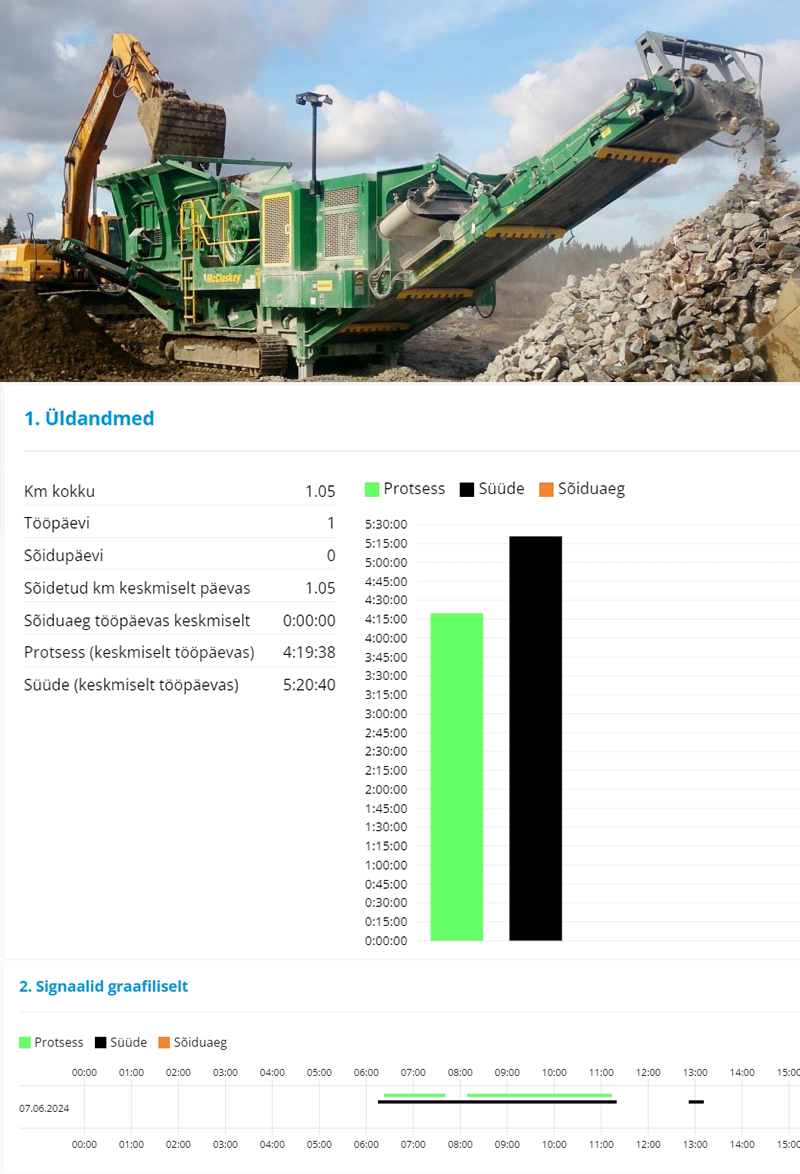
For crushers and soil screens, it’s important to distinguish between engine running time and actual work being done. This affects work planning, calculating the volume of crushed or screened material, cost accounting, and invoicing to the end client.
Depending on the machine, information about actual work comes from various sensors, agreed upon with the client in advance. For example:
These signals indicate a real process – actual work being done and value being created. In addition to process duration, the system shows fuel consumption during active work.
Benefits:
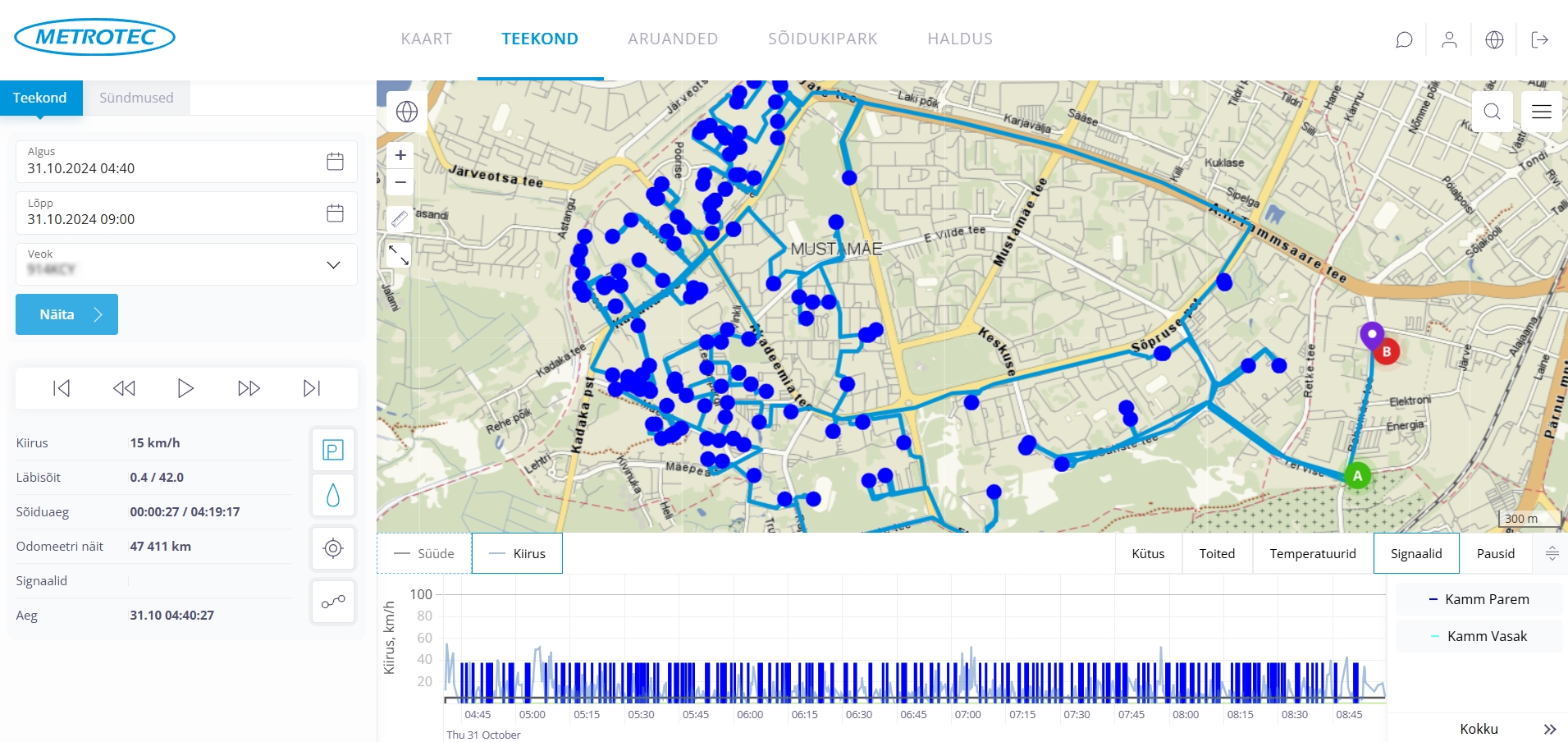
Tracking the movement and work processes of garbage trucks is important not only for efficient logistics but also for good customer service. Situations where customers are unsure whether their bins have been emptied can easily lead to disputes.
Garbage trucks usually use a lifting mechanism (a comb, winch, or crane) to lift and empty the bin. When this mechanism is activated, a signal is sent to the server. The report shows the exact time and location of the signal.
If the lifting mechanism does not generate a signal, additional sensors can be installed, for example, in the hydraulic system. When activated, these sensors send a signal confirming that the bin has been emptied.
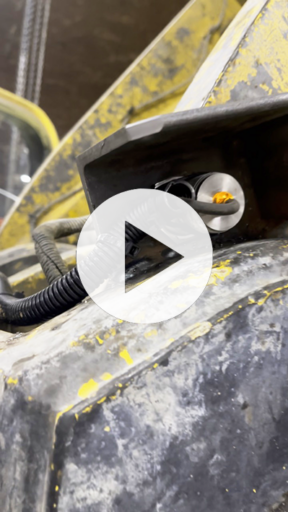
Measuring the actual work performed by loaders and excavators is often a major challenge. In most cases, the machines do not have built-in sensors or available signals that indicate real operational activity.
To monitor work processes, separate inductive sensors are used. These sensors detect and record the movement of the lifting arm or digging boom. The sensor placement is agreed with the customer to ensure the most accurate and relevant information about the specific process the customer needs to monitor.
Tracking work frequency and workload
Reports enable accurate monitoring of how often a machine is working and how heavily it is loaded. For example, the system can record how many times a loader lifts material to the loading height.
Comparing engine runtime with actual work
In many cases, the engine runs even when no real work is being done. By collecting data on the movement of the lifting or digging boom (the actual work process), it becomes possible to compare process duration and frequency with engine operating hours.
Material movement calculation
The system counts the number of repetitions, such as how many times the loader’s lifting arm reaches the loading height. If the bucket capacity is known, the moved material volume can be calculated based on the number of lifts.
Example: a 1 m³ bucket lifted 10 times means 10 m³ of material has been moved.
Overall, this solution allows much more precise monitoring of loaders and excavators, providing clear insight into machine workload, efficiency, and the total volume of material moved.
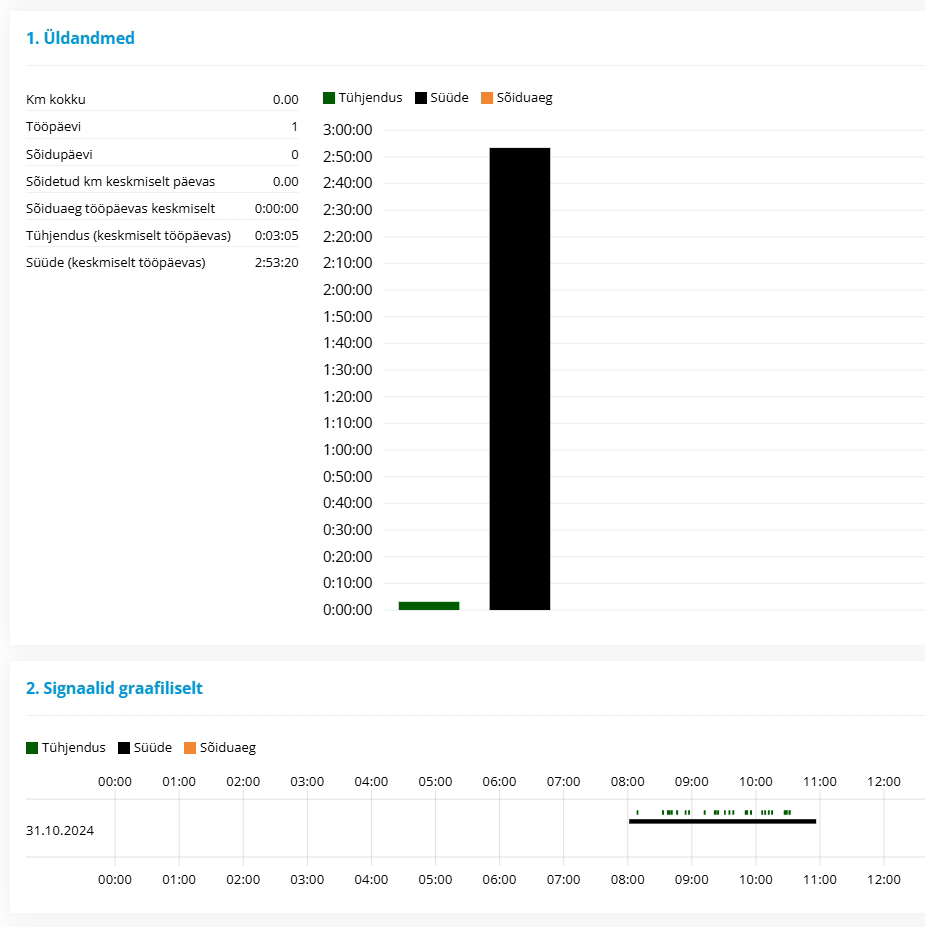
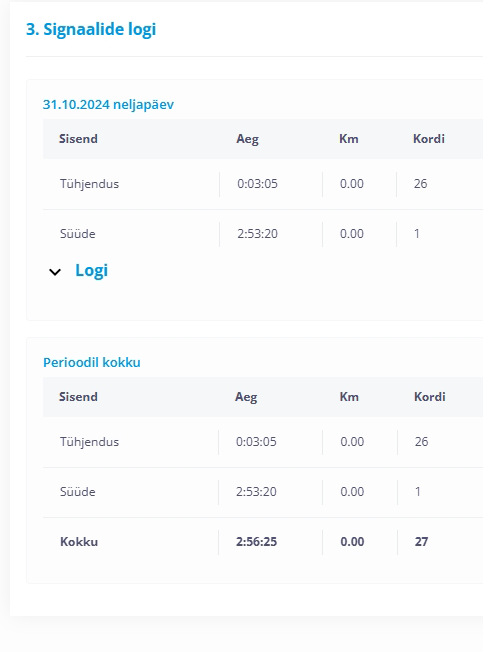
For dump trucks, it is important to monitor the number of trips and the volume of transported material to ensure accurate records for internal analysis and customer billing.
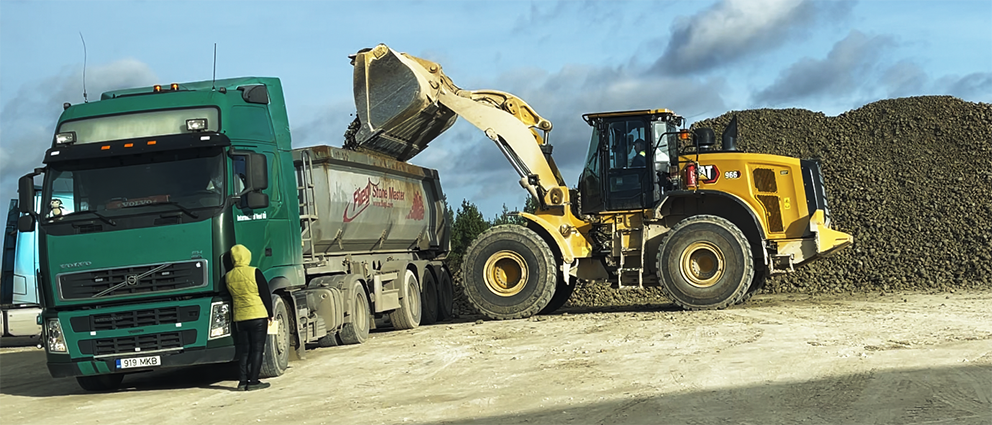
The most effective way to track trips is by using sensors that detect tipping events. Sensors installed on dump trucks register each body lift, indicating that material has been unloaded. Every time the driver activates the tipping button or lever, this information is sent to the server via the GPS device. Reports show the time, location, and duration of each tipping event.
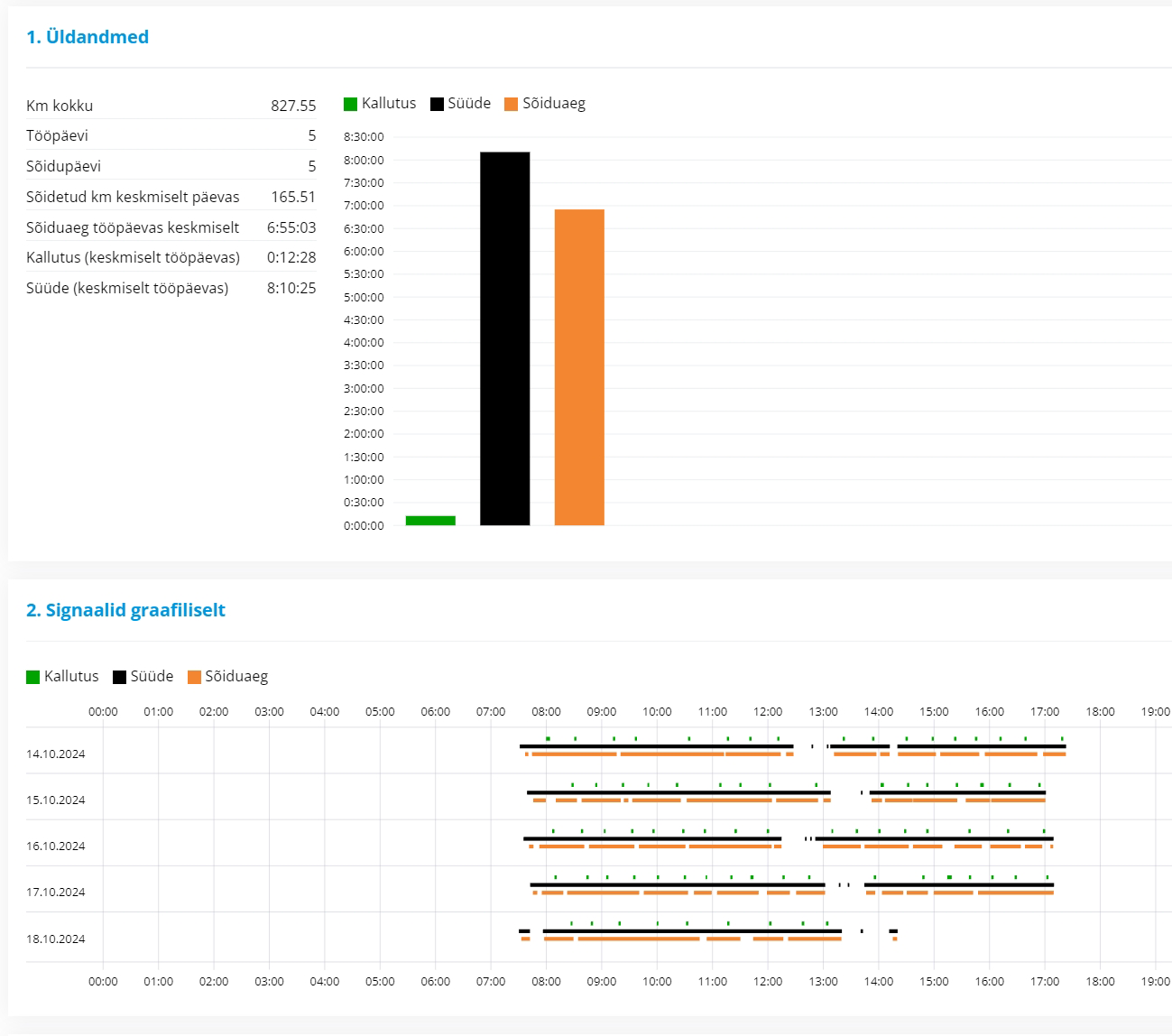
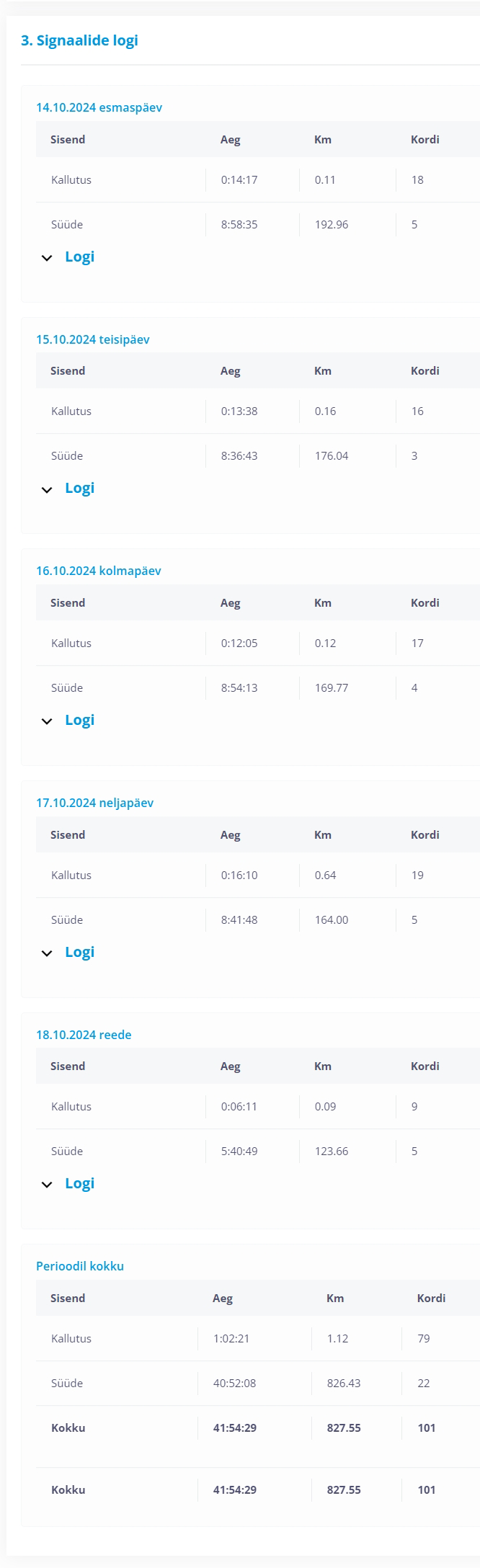
By using GPS devices and machine-based signals, it is possible to gain a precise overview of machine operations—whether crushers, garbage trucks, excavators, dump trucks, or other heavy equipment. The system collects real-time data on when, where, and how often work is performed and generates clear, easy-to-understand reports.
Process monitoring not only helps improve service quality and keep costs under control, but also enables fast problem resolution and provides customers with a more accurate and transparent service.
Fuel theft has always existed, and it still happens every day. It will continue in the future. Fuel is one of the top commodities that can always be converted into cash and easily sold. That’s no accident why oil is often called “black gold.” Fuel theft happens everywhere. It’s not about cultural background. The same problem exists in wealthy European countries like Sweden, Germany, and France.
To prevent fuel theft, it must be made as difficult as possible. Locks can even create an extra risk, as thieves may damage the fuel tank to get access. This does happen, and the resulting damage can be severe.
There is also the risk of facing trouble with local authorities in a foreign country and language. In the worst case, this can mean buying and installing a new fuel tank on the spot. Just imagine the lost time and logistical disruption caused by an unexpected stop forced by someone else’s actions.
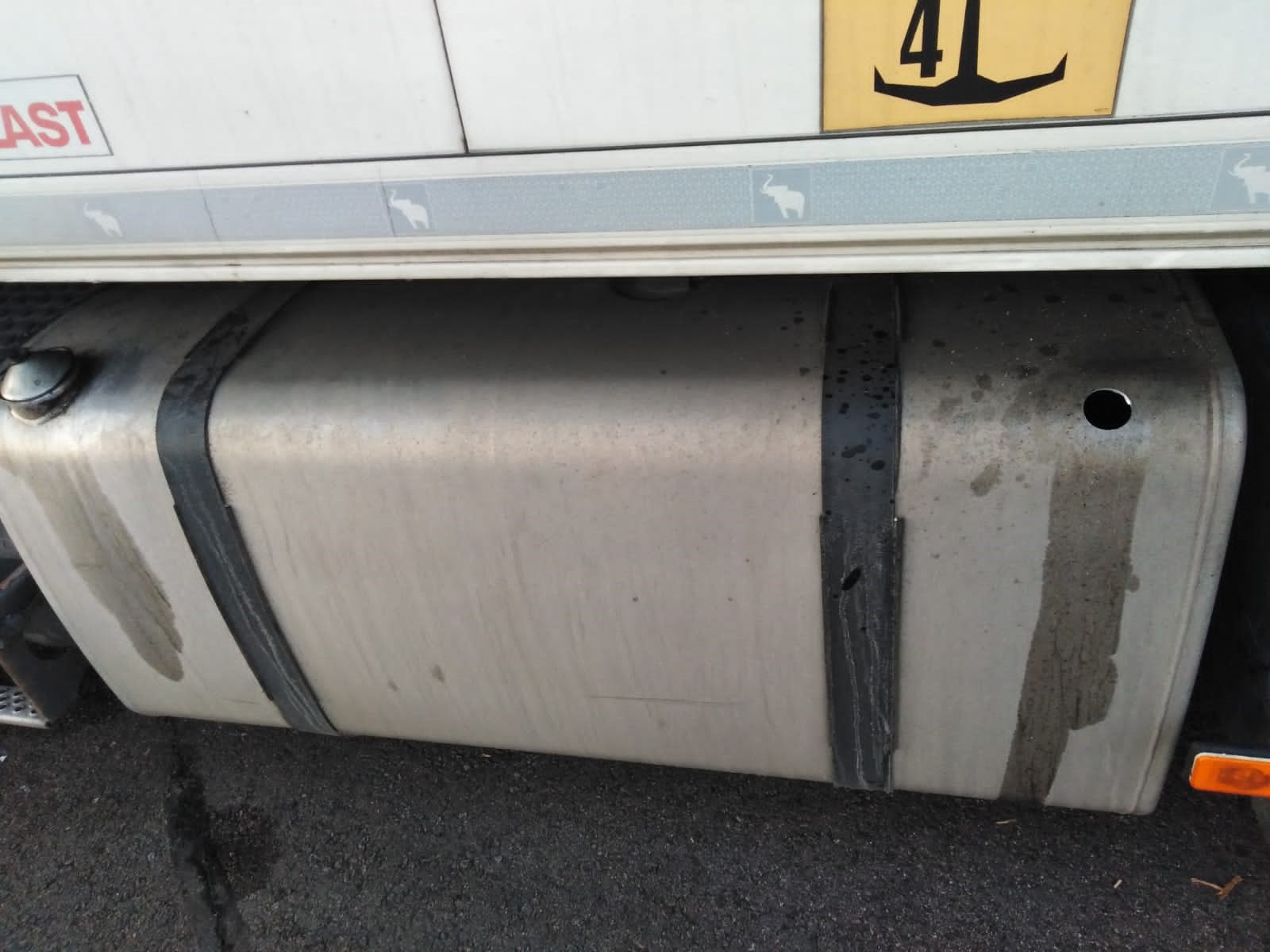
The image shows a truck fuel tank damaged as a result of fuel theft.
Fuel level monitoring using fuel probes is a proven solution. It is not new, but it has developed significantly over the years. Modern systems are highly accurate and very hard to tamper with—even a small fuel loss of around 10 liters triggers an immediate alarm.
A smart monitoring system activates both a silent alert and an on-site siren at the same time. Startled thieves often flee the scene, leaving behind their equipment and even the fuel they already drained.
This is an effective preventive solution that has repeatedly proven its value in real-life use.
In addition to reliable performance, the greatest advantage of this solution is its excellent return on investment. Compared to the value of the fuel being protected, the investment is minimal. It’s no coincidence that companies already using the system cannot imagine operating without it. This is one of those rare investments that pays for itself quickly and remains in long-term use.
The real ace up the sleeve of this smart platform is a direct connection to the Forus security control center. When a fuel loss alarm is triggered, and the customer has a contract with Forus, it doesn’t remain just a digital alert. Forus dispatches a patrol to the site, responds quickly, and catches the offender in the act.
Equipping a shipment or any object with a discreet GPS device reduces the risk of it disappearing without a trace. Lost items no longer exist, as a small device can always inform the owner of their location.
Insurance may not cover the full value that the owner believes their property is worth, while assets protected with remote tracking have a much higher chance of being recovered intact.
There are also types of assets—such as tools, trailers, and similar equipment—that are not worth insuring, yet are functionally very important to the owner. If such equipment is stolen, work may stop, and income can be lost.
Some items have sentimental or emotional value that cannot be measured in money.
All of these assets can be equipped with a tracking device.
When renting out equipment or simply lending items, they are not always returned on time—and sometimes not returned at all. With a tracking device, the exact location of rented machinery is always known. If a responsible owner uses technology and acts quickly, they can recover their property fast and regain control over their assets.
A key benefit of asset tracking is the ability to receive instant alerts. You can be notified when an object reaches a specific destination or when its technical condition worsens—for example, due to low onboard voltage or a draining battery.
For motorcycles, ATVs, and snowmobiles, a tracking device can be used to remotely stop the engine and immobilize the vehicle via a smartphone.
For boats, it is possible to monitor bilge water levels or receive alerts if a smoke detector is triggered.
With a personal tracking device, you can share your location with loved ones—or see theirs. The location of a schoolchild can always be known. It’s easy to set up safe zones and receive instant alerts when those areas are left.
A tracker can be a lifeline for sailors or fishermen. Hobbies are practiced in all weather, but conditions can change suddenly and put a person in danger. With the press of a single button, an emergency alert can be sent to coast guard services, harbor authorities, or event organizers.
Trackers come in different types, and it makes sense to choose one depending on the use. Important features include small size, low power consumption, and resistance to moisture or even water.
X-Track – ideal when live tracking is most important, and the tracked object has its own power supply, or when you want to remotely stop the engine or control an immobilizer.

P-Track – best for tracking a person or an animal.

S-Track – ideal when long battery life and making the device hard to detect are most important.
All these products share one key feature: durability in tough conditions.
Asset tracking lets you create a simple system to keep an eye on yourself, your belongings, and your loved ones if needed.
Geo-alarms are widely used. The owner gets instant notifications when someone or something leaves a set area or reaches a specific location.
Theft alarms are useful for motorcycles, ATVs, snowmobiles, and other “light” vehicles. They trigger if someone tries to move the equipment, for example, on a trailer.
Beginner drivers can stay more disciplined knowing someone is watching. This reduces worry when someone doesn’t arrive at an agreed place on time or fails to answer calls.
Many tracking devices also have built-in thermometers. Users can check a temperature log or set alerts if the temperature rises or falls beyond a chosen limit.
Learn more about asset tracking: https://metrotec.ee/en/f-track-ja-gps-jalgimine/

